

Blood pressure cuffs
Replacement cuffs for blood pressure monitors in all sizes: paediatric, standard adult, large and obese. Compatible with Omron, Welch Allyn, Riester, Spengler, ABB and other professional brands.
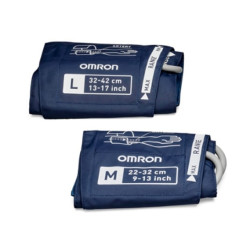
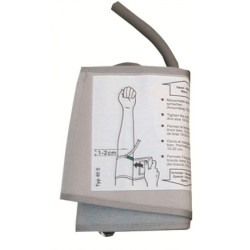
Cuff for Omron HBP-1320 and HBP-1120 blood pressure monitors
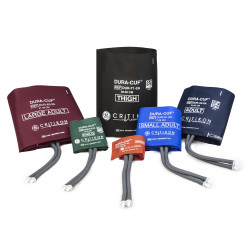
Reference : OMRO0011 Cuff for Omron HBP-1320 and HBP-1120 electronic blood pressure monitors.General Electric Critikon Dura-Cuf Dinaclick Connector
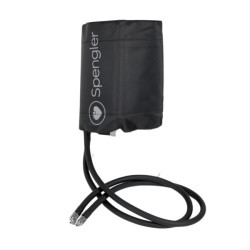
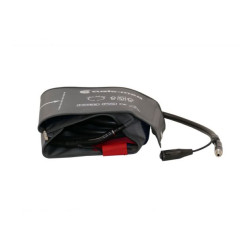
Reference : GENE0024 Critikon Dura-Cuf General Electric blood pressure cuff. 2-tube Dinaclick connector.Spengler Maxi +3 Blood Pressure Monitor Cuff
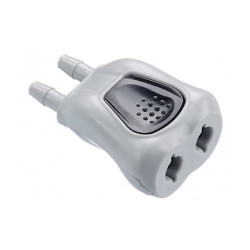
Reference : SPEN0203 3 sizes available. Nylon material and velcro closure.Dinaclick female connector for GE wristband 2059294-001
Reference : GENE0029 Sold individuallyCS2 cuff, 17–22 cm, for Omron M2/M2 BASIC/M3 blood pressure monitors
Reference : OMRO0004 CS2 cuff 17-22 cm for Omron M2/M2 BASIC/M3 blood pressure monitorArmband for Ergoselect 4/5/10/12 Ergoline bicycle ergometer
Reference : ERGO0003 Armband for Ergoselect 4/5/10/12 Ergoline bicycle ergometerReplacement Cuffs for Blood Pressure Monitors
The blood pressure cuff is the most important consumable accessory for accurate blood pressure measurement. Its size, condition and build quality directly affect the reliability of the blood pressure readings. CardioDépôt offers professional-grade replacement cuffs in all sizes for the main blood pressure monitor models on the market.
Selecting the correct cuff size
The international recommendation is clear: the cuff size must be chosen according to the circumference of the patient’s arm, measured halfway between the elbow and the shoulder. For an arm circumference of 22 to 32 cm, the standard adult cuff is suitable. For arms measuring 32 to 42 cm, a large adult cuff is required. For arms over 42 cm, an obese cuff is necessary. Our cuffs also cover paediatric sizes (16 to 26 cm) for children aged 3 and above.
Quality criteria and lifespan
A professional blood pressure cuff must withstand several thousand inflation and deflation cycles without losing its airtight seal. The quality of the fabric determines its resistance to washing and disinfectants. The cuff chamber must retain its shape and expansion capacity over time. We recommend replacing the cuff systematically every 2 to 3 years in intensive use, or immediately upon the appearance of air leaks or visible deformations affecting its performance.