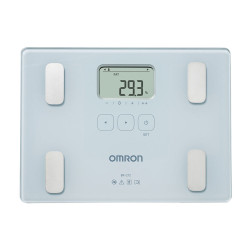
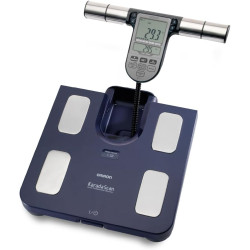
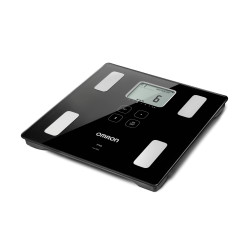
Medical Bioimpedance Analysers – Body Composition Analysis
The medical bioimpedance analyser uses electrical bioimpedance to analyse body composition – fat mass, muscle mass, bone mass and total body water – in a matter of seconds in a completely non-invasive manner. This tool usefully complements simple weight measurement in the patient’s nutritional, metabolic and cardiovascular assessment.
Principle and accuracy of bioimpedance analysis
Bioimpedance is based on the property of different body compartments to conduct low-intensity electrical current differently. Hydrated muscle mass conducts electricity well (low impedance), whilst fat mass, which is poorly hydrated, resists the flow of current (high impedance). By measuring this impedance at different frequencies, algorithms calculate the various body compartments with sufficient accuracy for the longitudinal monitoring of patients.
Clinical applications of bioimpedance analysis
In internal medicine and cardiology, the impedance meter is used to assess hydration status (fluid overload, dehydration), monitor muscle mass in sarcopenia and malnutrition, and track body composition during dieting or physical activity. Our professional impedance meters incorporate reference databases by age, sex and ethnicity for a contextual interpretation of results. Available in bipod, quadripod or multisite models for different levels of accuracy.